Pluto in Aquarius: A Shift in Power, Systems and the Collective
Pluto in Aquarius is not a quick change. It is a deep one.
This is about long term shifts in power, systems, and how we function as a collective.
Pluto moves slowly, so its influence is felt over years rather than moments. When it changes signs, it marks the beginning of a broader transformation that unfolds gradually over time.
In simple terms, this is a shift in how power works, both individually and collectively.
As collective voices grow louder and awareness awakens, existing systems are often forced to evolve.

What is Pluto?
Pluto is linked to transformation, power, control, and rebirth. It tends to work beneath the surface, gradually reshaping what no longer feels sustainable.
Its influence is not always immediate, but it is lasting. Pluto often brings endings that eventually lead to new beginnings, exposing what has been hidden and pushing deeper change where something has outgrown its current form.
Unlike Uranus, which tends to move suddenly, Pluto works slowly. It reveals, transforms, and rebuilds over time.
What is Aquarius?
Aquarius relates to the collective, innovation, technology, and social systems. It reflects how we connect within groups and communities, and how ideas spread through the wider public.
There is a forward thinking quality to Aquarius. It looks ahead, questions the norm, and explores alternative ways of organising society. While Leo focuses on individual expression, Aquarius tends to focus on the wider network and the role each person plays within it.
This makes Aquarius deeply connected to collective movements, social awareness, and the idea that change can happen when people come together around a shared vision.
Aquarius and Leo: Mind and Heart
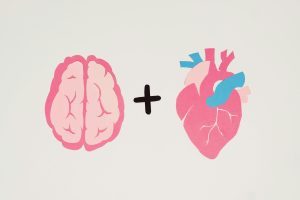
Aquarius sits opposite Leo, so it is helpful to look at the balance between the two.
Both signs are fixed, which means they can hold focus, stay committed, and build momentum over time. The difference is in how they express it. Aquarius is fixed air, working through ideas, systems, groups, and the collective. Leo is fixed fire, working through creativity, confidence, visibility, and personal expression.
In simple terms, Aquarius can be seen as the mind of the collective, while Leo brings the heart, warmth, and individual spark.
With Pluto moving through Aquarius, there may be a deeper transformation around how personal expression fits within the wider group. It can raise questions around individuality, belonging, leadership, and whether the needs of the collective still leave space for the individual voice.
There may also be growing conversations around identity, social values, representation, inclusion, and freedom of expression. As collective movements evolve, society may continue redefining what it values and how those values are expressed publicly.
At times, this can create tension between personal identity and collective ideals. Leo seeks authentic self expression and individuality, while Aquarius often focuses on the wider group and shared social vision. During this transit, people may feel pulled between standing out as themselves and aligning with the expectations or beliefs of the collective.
This is not necessarily about one side being right or wrong, but about society moving through changing perspectives around identity, belonging, expression, and social awareness.
Aquarius is ruled by Uranus
Aquarius is ruled by Uranus, the planet linked to disruption, awakening, innovation, and change.
Uranus tends to challenge what feels outdated, bringing sudden shifts, breakthroughs, and new ways of thinking. In Aquarius, this energy becomes more collective, often showing up through social movements, evolving technologies, and changing ideas around freedom and progressive ideas.
With Pluto moving through Aquarius, these themes are not just introduced, they are transformed at a deeper level. It is not simply about new ideas appearing, but about the systems beneath them being reshaped over time.
Pluto in Aquarius themes

When Pluto moves through Aquarius, the focus shifts towards transformation within collective systems and social structures.
This can show up through changes in technology, evolving power dynamics, and new ways of organising communities and networks. Questions around equality, freedom, ownership, influence, and collective voice may become more visible over time.
There can also be a growing rebellion around any imbalance and who actually holds power within society, how that power is used, and whether existing structures still reflect the needs of the wider collective.
This is not just change, it is a deeper restructuring of how society operates.
Pluto does not simply introduce new ideas. It transforms the foundation they sit on.
A wider shift taking place
This transit does not happen in isolation.
With Uranus moving through Gemini, there is also a faster layer of change with instant information that is happening alongside Pluto’s deeper transformation. Uranus speeds things up, while Pluto works beneath the surface, reshaping the systems behind them.
Pluto in Aquarius combined with Uranus in Gemini can reflect how quickly collective movements now organise and spread through technology. Social media, group chats, livestreams and even gaming platforms can connect people almost instantly, allowing ideas, protests, and social causes to gain momentum at incredible speed. What once may have taken months to organise can now happen within hours through a single post, Hashtag, or viral moment.
Timeline of this transit
Pluto entered Aquarius in 2023, briefly moving between Capricorn and Aquarius before settling more fully into the sign from 2024 onwards.
It remains in Aquarius until around 2043 to 2044, making this a long cycle of gradual transformation.
Pluto also turned retrograde in Aquarius on 6 May 2026 and remains retrograde until 16 October 2026.
Retrogrades tend to shift the focus inward, encouraging reflection, reassessment, and a deeper awareness of what may be changing beneath the surface. With Pluto in Aquarius, this can place greater attention on collective or humanitarian causes.
As visionary and intellectual ideas surrounding structures begin to evolve, outdated systems are challenged and stripped away. With Pluto in Aquarius, deeper questions around, power, corruption, and collective change start to emerge.
Looking back: Previous Pluto in Aquarius cycles
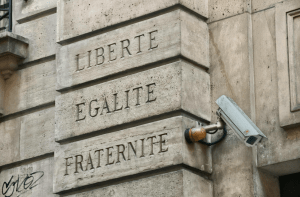 The last time Pluto moved through Aquarius was between 1778 and 1798, a period marked by major shifts in power structures and collective movements.
This era saw the American and French Revolutions reshape ideas around authority, freedom, and the role of the people within society. Existing systems were challenged, while new political and social frameworks began to emerge.
History also shows how periods of collective change can challenge long established belief systems and dominant institutions. The Protestant Reformation reshaped religious authority across Europe, questioning existing power structures and changing how people related to faith, leadership, and individual belief. These kinds of shifts reflect the deeper themes often associated with Pluto and Uranus together, where pressure builds against dominant systems and transformation emerges through disruption, reform, and collective awakening.
History shows that Pluto transits often coincide with periods where collective voices grow stronger and existing structures come under pressure. More recently, the Uranus Pluto alignments of the 1960s reflected civil rights movements, anti war protests, counterculture movements, and wider demands for social change.
While history never repeats in exactly the same way, similar themes around reform, power, and collective awakening often re emerge when these longer planetary cycles become active again.
Power, politics and transformation
This shift can already be seen within the current political and global landscape. Pluto often brings attention to power, how it is held, and how it is used, particularly when existing systems begin to feel strained or outdated.
There can be a noticeable tension between established structures and emerging ideas. Traditional authority may be questioned, while collective voices become louder and more organised. At times, this can appear as a divide between governments and the public, corporations and communities, or leadership and the wider collective. 

Pluto is also associated with exposure. What has been operating beneath the surface can gradually come into view, particularly around influence, control, corruption, or decision making. This does not usually happen all at once, but through a slow process of pressure, revelation, and transformation.
During Pluto retrograde periods, these themes may become even more reflective or intensified beneath the surface. Conversations around equality, activism, climate, identity, freedom, and collective rights may re emerge or gain renewed public attention. Movements such as BLM, Just Stop Oil, or Free Palestine reflect Aquarius themes linked to collective voice, social awareness, and challenging existing systems.
Rather than viewing this purely as conflict, it can also be understood as part of a wider process of transformation. As structures are challenged, there is an opportunity for them to evolve, adapt, or be reshaped into something more aligned with the current landscape.
Pluto does not just challenge power, it reshapes how it exists.
A connection between Uranus, Pluto and Neptune
There is also a wider connection between the outer planets that adds another layer of context to this period.
Uranus and Pluto together often reflect moments of collective change, where themes of power, revolution, and awakening become more visible. Aquarius naturally links to the people, community, and collective voice, so this can sometimes show up through demonstrations, protests, or wider pushes for equality and freedom.
We have seen similar patterns before. During the 1960s, Uranus and Pluto were closely aligned, with support from Neptune through a sextile aspect, often described as a window of opportunity. This period coincided with civil rights movements, anti war protests, counterculture movements, and the eventual end of the Vietnam War. There was a strong sense of questioning authority, challenging existing systems, and imagining new ways of living and organising society.
In the current cycle, Pluto is now moving through Aquarius while Uranus continues its journey through the zodiac, suggesting that themes connected to collective voice and social awakening may once again become more visible over time.
Neptune adds another layer to this dynamic. It is often linked to ideals, imagination, spirituality, dreams, and collective emotion. At its highest expression, Neptune can reflect compassion, unity, unconditional love, and the desire to connect to something beyond the material world.
Together, these outer planets describe not just change itself, but the deeper motivation behind it. Pluto reshapes power, Uranus awakens and disrupts, while Neptune inspires the vision of what could be.
Technology, systems and the collective
Pluto in Aquarius often aligns with major developments in technology and the way it shapes society.

This can show up through evolving digital systems, changing online spaces, and new ways for communities to organise and connect. Questions around ownership, information, privacy, and influence may also become more significant as technology continues to develop.
At the same time, there can be growing awareness around who benefits from these systems, who controls them, and where clearer boundaries may be needed.
It is not just about innovation itself, but about how innovation changes the balance of power within society.
There may also be growing conversations around digital rights, privacy, surveillance, and the increasing influence large technology platforms have over everyday life. As technology becomes more integrated into society, questions around ownership of personal data, online identity, and individual freedom within digital spaces may become more significant.
This can already be seen through debates around AI, online safety laws, platform regulation, and growing awareness of how much daily life now depends on digital systems. Measures introduced for protection and safety may also raise wider discussions around privacy, control, and where boundaries should exist between collective security and individual freedom.
At the same time, Pluto in Aquarius may reflect a growing desire for people to reclaim more ownership over their digital identity, information, and online presence. This can show up through renewed interest in privacy, decentralised platforms, digital autonomy, and greater awareness around how technology shapes both society and personal behaviour.
A current example of this energy
You can already see this shift in how people organise and connect. Online communities, decentralised platforms, and collective movements have become more visible, with ideas spreading rapidly across digital spaces.
There is also growing awareness around data, privacy, digital identity, and the influence technology has over daily life. As systems become more interconnected, people may become more conscious of both the opportunities and the power dynamics that exist within them.
Bringing it back to you
This is where the transit becomes more personal.
Looking at your chart can help give context. Noticing which house Aquarius sits in, along with any aspects Pluto is making, can highlight where these themes may become more noticeable over time.
The house points to the area of life involved, while the aspects can describe how the transformation may unfold beneath the surface.
Because Pluto works slowly, this process is often experienced gradually rather than through immediate or sudden change.
.
Wherever Aquarius sits in your chart, that is where this transformation is likely to be felt over time.
If it falls in the:

- 1st house, it may relate to identity, self expression, and personal transformation.
- In the 2nd house, it may connect to values, income, security, or changing attitudes towards resources.
- In the 3rd house, the focus may shift towards communication, learning, mindset, or your immediate environment.
- In the 4th house, transformation may involve home life, family dynamics, or emotional foundations.
- In the 5th house, it may reshape creativity, self expression, hobbies, romance, or enjoyment.
- In the 6th house, themes may emerge around work, routines, health, or daily responsibilities.
- In the 7th house, relationships and partnerships may evolve or transform over time.
- In the 8th house, deeper emotional transformation, shared resources, or themes around trust and power may become more significant.
- In the 9th house, beliefs, learning, travel, or personal philosophy may shift and evolve.
- In the 10th house, transformation may play out through career, ambition, or public image.
- In the 11th house, friendships, communities, networks, and collective involvement may change.
- In the 12th house, the focus may turn inward, bringing reflection, healing, or deeper psychological awareness.
Final thought
Pluto in Aquarius reflects a longer term shift in systems, power, and the collective.
It does not rush, but it does transform.
Over time, it can reshape how we connect, how systems function, and where power sits. What begins beneath the surface can gradually become impossible to ignore.
Change may not always be visible straight away, but it is often working quietly in the background, slowly creating space for something new to emerge.